Understanding Your MOT Test: What the Examiner Checks
The MOT (Ministry of Transport) test is a legal requirement for all vehicles over three years old in the UK. Understanding what examiners check during this annual inspection helps you prepare your car and avoid costly failures. Here's what you need to know about the modern MOT testing process.
Emissions Testing
Modern MOT tests include an emissions check to ensure your vehicle meets environmental standards. The examiner will connect diagnostic equipment to your car's exhaust system to measure harmful pollutants. A poorly maintained engine, faulty oxygen sensors, or issues with the catalytic converter can cause failures. Regular servicing and using quality fuel helps maintain good emission levels.
Lights and Visibility
All exterior lights are thoroughly tested: headlights, tail lights, brake lights, fog lights, and indicators must work correctly and be properly aligned. The examiner will also check that your windscreen is free from large cracks or chips in the driver's line of sight, and that all windows and mirrors are clean and undamaged.
Brakes and Steering
The brake system is critical for safety. Examiners test brake pad thickness, brake fluid condition, and overall braking performance using specialised equipment. Your steering system is checked for excessive play and proper function. Power steering hoses are inspected for leaks or damage.
Suspension and Tyres
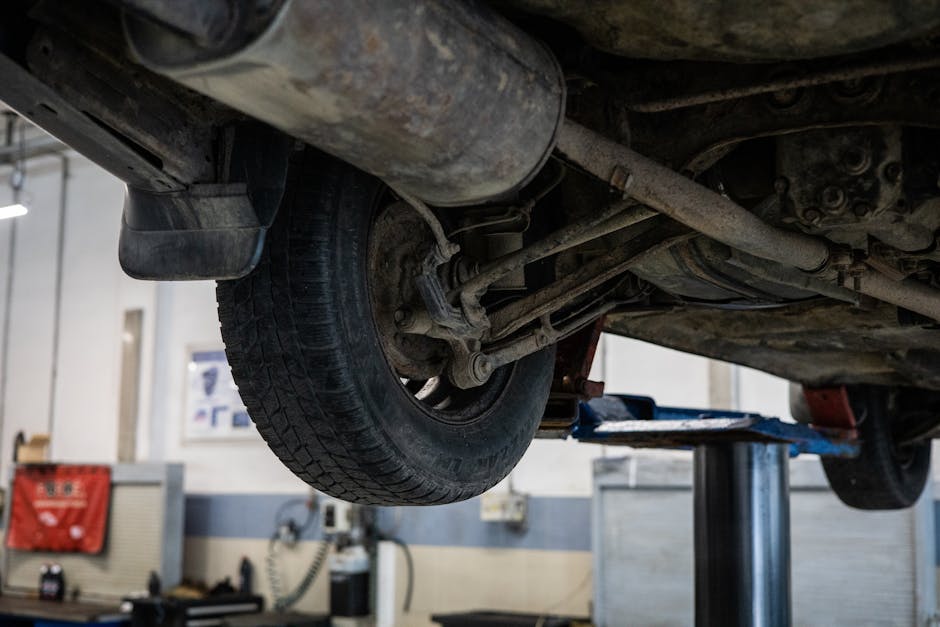
Your car's suspension components are examined for wear and damage. Shock absorbers, springs, and anti-roll bars must all be in good condition. Tyres must have at least 1.6mm of tread depth across the centre three-quarters of the tyre width, though many experts recommend 3mm for safety. Check for cracks, bulges, or uneven wear patterns.
Seatbelts and Safety Features
All seatbelts must function correctly and show no signs of fraying or damage. Airbags must be operational, and warning lights on your dashboard should illuminate correctly when you start the car. Any broken safety features will result in a failure.
Bodywork and Structure
The examiner checks for serious corrosion, sharp edges, or structural damage that could be dangerous. Rust that affects the car's integrity is noted. Minor cosmetic issues won't fail your MOT, but structural problems will.
Preparing for Your MOT
Before your test, ensure all lights work, check your fluid levels, inspect your tyres, and listen for any unusual noises from the engine or suspension. Address any warning lights on your dashboard. A well-maintained vehicle is far more likely to pass first time, saving you time and money on retests.