How to Spot a Reliable Used Car Before You Buy
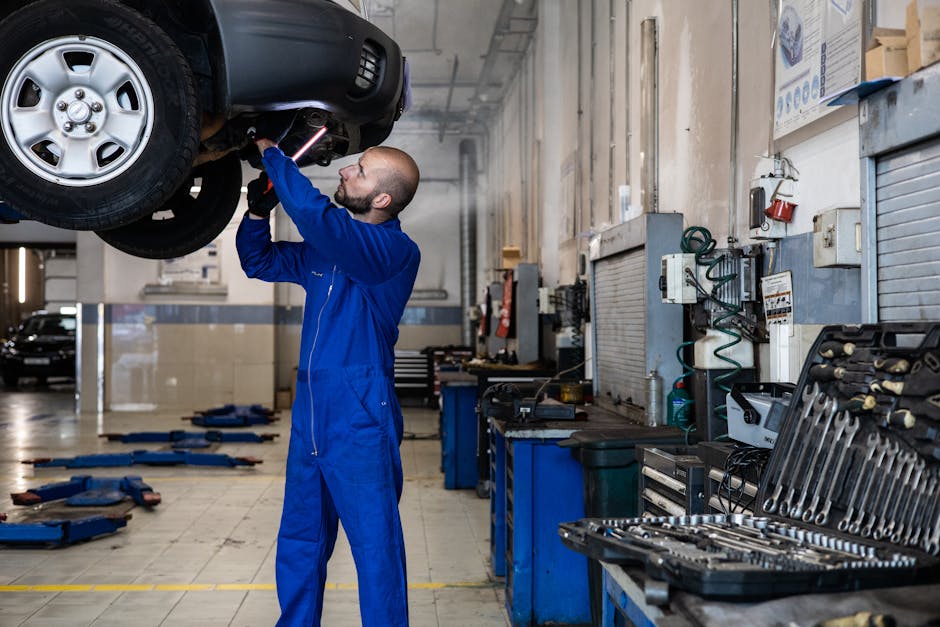
Buying a used car requires careful evaluation to ensure you're getting a reliable vehicle rather than inheriting someone else's problems. Whether you're buying from a dealer or private seller, knowing what to inspect significantly improves your chances of making a sound purchase. Here's a comprehensive guide to evaluating used cars.
Check the Service History
A complete service history indicates that the previous owner maintained the vehicle properly. Request receipts for all services, repairs, and MOT passes. Missing service records raise red flags. Vehicles with sporadic maintenance often have hidden problems. Ideally, the car should have been serviced regularly at the intervals recommended by the manufacturer.
Inspect the Bodywork
Examine the car's exterior carefully for signs of accident damage or poor repairs. Look for mismatched paint, uneven panel gaps, or areas where paint colour doesn't quite match. Run your hand along panels to feel for dents or evidence of filler. Check underneath for rust, particularly on the chassis and suspension components. Surface rust is cosmetic, but structural rust is a serious problem requiring expensive repair.
Test the Lights and Electrics
Ensure all lights work: headlights, tail lights, brake lights, fog lights, and indicators. Check that windows, locks, and mirrors operate smoothly. Test the air conditioning and heating systems. Electrical problems can be expensive to diagnose and repair, so identify issues before purchase.
Examine the Tyres
Check tyre tread depth using the penny test or a tread depth gauge. Tyres should have at least 1.6mm of tread, though 3mm is preferable for safety. Uneven wear patterns suggest suspension or alignment problems. Check for bulges, cracks, or puncture repairs. New tyres are expensive, so factor replacement costs into your offer if needed.
Listen to the Engine
Start the engine and listen carefully. Knocking, grinding, or grinding sounds indicate mechanical problems. The engine should idle smoothly without excessive vibration. Smoke from the exhaust suggests burning oil. Request a test drive and listen for unusual noises from the engine, transmission, or suspension during acceleration and braking.
Check Fluid Levels and Condition
Open the bonnet and inspect all fluid levels: engine oil, coolant, brake fluid, and power steering fluid. Oil should be brown or black, not milky (which indicates water contamination and engine problems). Coolant should be clean and the correct colour for that vehicle. Ask the seller when fluids were last changed.
Verify the Vehicle History
Use the HPI check or similar service to verify the car hasn't been written off, stolen, or has outstanding finance. Request the registration document and ensure it matches the seller's name. Check that mileage readings are consistent across MOT certificates, indicating the odometer hasn't been tampered with.
Take a Professional Inspection
For more expensive vehicles, consider paying a qualified mechanic to conduct a pre-purchase inspection. This typically costs £100-£200 but can reveal hidden problems that could cost thousands to repair. A professional inspection provides confidence in your purchase decision.
Trust Your Instincts
If something feels wrong about a car, walk away. There are always other vehicles available. A good deal on a problematic car is no bargain if it requires expensive repairs shortly after purchase. Take your time, ask questions, and make informed decisions.