Five Common Car Problems You Can Diagnose Yourself
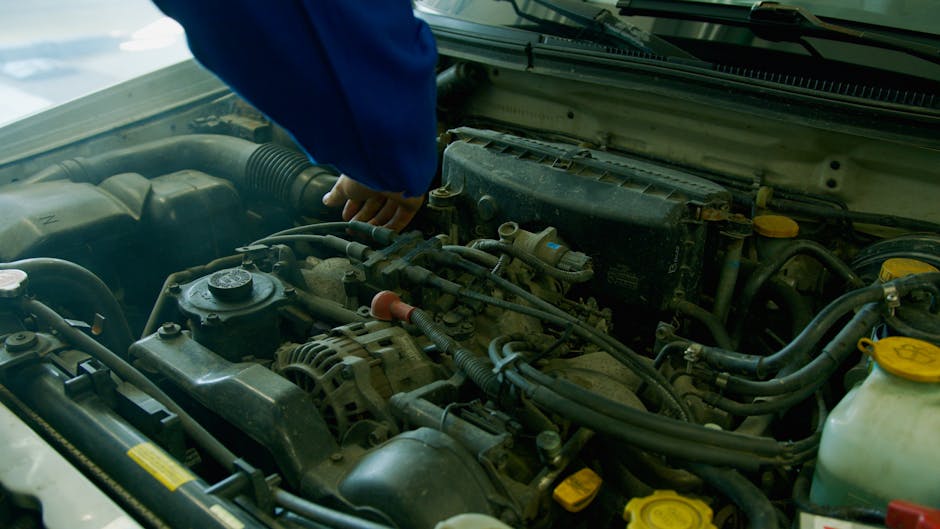
Not every car problem requires an immediate trip to the garage. Many common issues can be diagnosed at home with basic observation and simple tests. Understanding these problems helps you communicate better with mechanics and may save you money on diagnostic charges.
Battery Problems
If your car struggles to start or the dashboard lights dim significantly when turning the key, your battery is likely failing. Check the battery terminals under the bonnet for corrosion (white or blue crusty deposits). Clean terminals with a wire brush and a solution of baking soda and water. If cleaning doesn't help and the car is over five years old, the battery probably needs replacement. Modern car batteries typically last three to five years.
Worn Brake Pads
A high-pitched squealing sound when braking almost always indicates worn brake pads. Some pads have built-in wear indicators that create this noise to alert you. If you hear grinding instead of squealing, your pads are dangerously worn and metal-to-metal contact is occurring. This requires immediate attention to avoid damaging your brake discs.
Flat or Leaking Tyres
Uneven handling, vibration at certain speeds, or a visible bulge in the tyre wall suggests tyre problems. You can check tyre pressure yourself using a pressure gauge (available cheaply from any petrol station) and compare readings to the recommended pressures listed in your owner's manual or on the driver's door jamb. If a tyre repeatedly loses pressure, you likely have a slow puncture.
Engine Warning Light
When your engine management light illuminates, it indicates an issue detected by the car's onboard diagnostics. While you'll need specialist equipment to read the exact fault code, simple checks can sometimes identify the problem. A loose fuel cap is a common culprit and easily fixed. If the light remains after tightening the cap, have the code read at a garage.
Fluid Leaks
Puddles under your parked car indicate leaks requiring investigation. Note the colour: bright green or orange suggests coolant, reddish-brown indicates transmission or power steering fluid, and clear water is usually just air conditioning condensation (completely normal). Black or dark brown liquid suggests engine oil. Once you've identified the fluid type, you can determine the severity and urgency of repair.
When to Seek Professional Help
While these diagnoses are helpful, complex repairs should always be handled by qualified mechanics. If you're unsure about any issue or if problems persist after basic troubleshooting, professional inspection is the safest option. Your safety depends on your car functioning correctly.